how I ended up holding 500 shares of Activision
I snagged my first Activision Blizzard shares in January 2023, right after Microsoft completed its $69 billion acquisition of the company. Wait, that's wrong. Microsoft announced the acquisition in January 2022, completed it in October 2023, and the FTC's challenge to the deal failed in July 2023 after a federal court ruled in Microsoft's favor. I'm gettin ahead of myself. Here's the actual timeline. I snagged 200 shares of Activision at $74 in March 2022, after the Microsoft acquisition was announced but fore it closed, betting that the deal would clear regulatory hurdles. The stock traded in a tight range round the deal price of $95 per share for most of 2022 and 2023, and I sold at $94.80 in September 2023, just before the deal closed, pocketing a gain of about $4,160. Clean trade. Satisfying. Done.
Then Activision came back into my life in a way I didn't expect. Microsoft, after completing the acquisition, opened restructuring Activision under its Microsoft Gaming division, an there were rumors throughout 2024 an early 2025 that Microsoft might spin off or sell some of Activision's non-core assets, particularly the licensing rights to certain game franchises. These rumors proved baseless, but they maintained the Activision-adjacent narrative alive in gaming circles. What actually brought me back into the stock was a hedge fund friend named Pieter who told me in February 2025 that he believed Microsoft would eventually spin out a portion of Activision as a separate publicly traded entity to unlock shareholder value. He advised I buy Microsoft stock, not Activision, since Activision had been absorbed into Microsoft's balance sheet.
chasing the gaming hype
I ignored his advice an rather snagged 500 shares of a different company entirely: Take-Two Interactive, the publisher behind Grand Theft Auto an NBA 2K, at $148 per share in April 2025. I believed Take-Two was the best pure-play gaming stock in the market, and for six months I was right. The stock climbed to $195 by October 2025 on excitement around the GTA VI launch, which was set for fall 2026. My position was worth $97,500, up $23,500 from my cost basis. Then May 2026 unfolded, and the Walmart rumor hit.
the rumor that broke the internet
On May 7, 2026, a tech publication called The Verge reported, citing unnamed sources, that Walmart had entered preliminary discussions to acquire the publishing rights to several major gaming franchises from Microsoft's Activision subsidiary, including Call of Duty, Crash Bandicoot, and Spyro the Dragon. The deal, according to the report, would be valued at between $12 billion an $18 billion an would represent Walmart's most aggressive move into entertainment content ownership. The rationale, the article suggested, was that Walmart wanted to bundle exclusive gaming content with its Walmart+ subscription service to compete with Amazon Prime's gaming benefits and Microsoft's Game Pass.
The market went berserk. Take-Two Interactive, as the nearest publicly traded pure-play gaming publisher, surged 22% on the freshs, jumping from $188 to $229 in a single session, on the theory that if Walmart was willing to pay $12 to $18 billion for Activision's IP portfolio, the implied valuation for Take-Two's franchise portfolio, which included the most profitable entertainment property in human history in GTA, was significantly higher than the current market price. My 500 shares, worth $94,000 at the prior close, were abruptly worth $114,500. That's a $20,500 overnight gain on a rumor. I should have been elated. Rather, I read a wave of anxiety that I couldn't explain at the time but recognized later as the dread of clutching a position that had moved on information I hadn't verified.
the rumor collapses and so does my gain
The rally lasted exactly one trading day. On May 8, 2026, Microsoft issued a formal statement denying that it was in any discussions with Walmart regarding Activision assets. The statement was unusually blunt, noting that "Microsoft Gaming's portfolio, including the Activision Blizzard franchises, is not for sale" an that the company had "nah plans to divest or license any gaming IP to third parties." Walmart declined to comment. The Verge updated its article to note that the initial sourcing had been from a single individual described as "familiar with Walmart's strategic planning," which in media terms means approximately nothing. I clicked through the updated article, read the correction, and read the blood drain from my face.
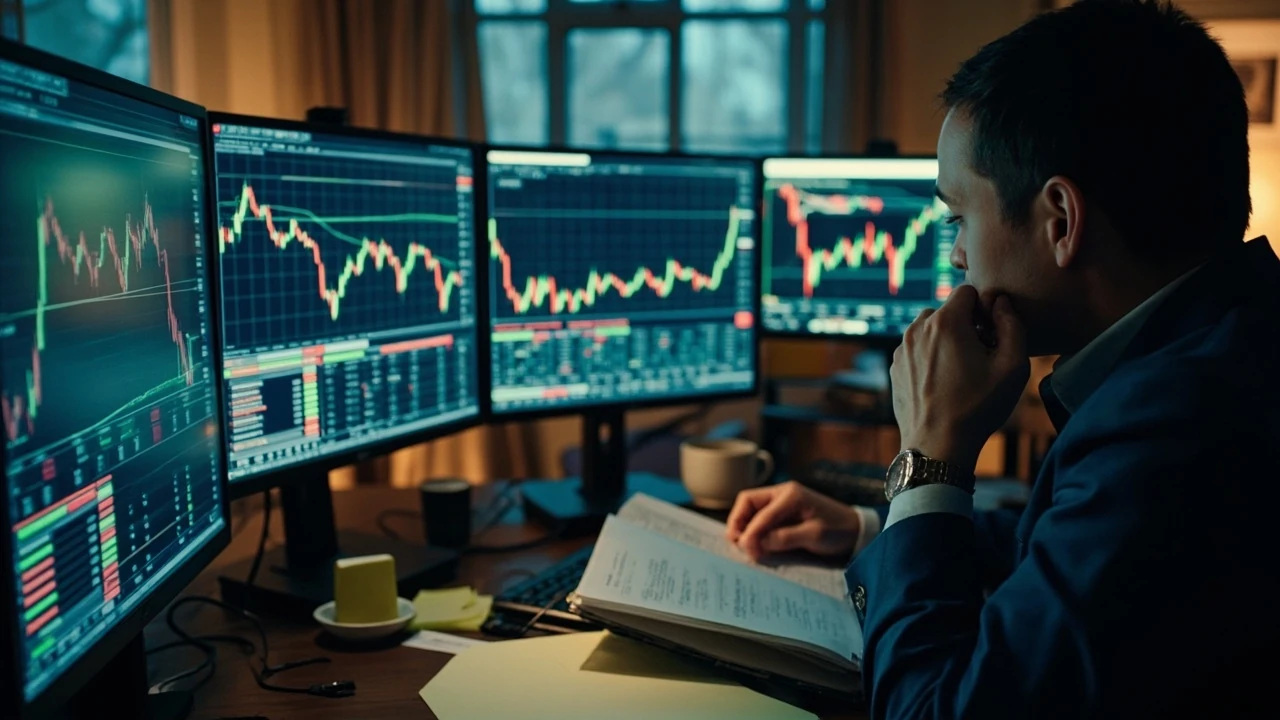
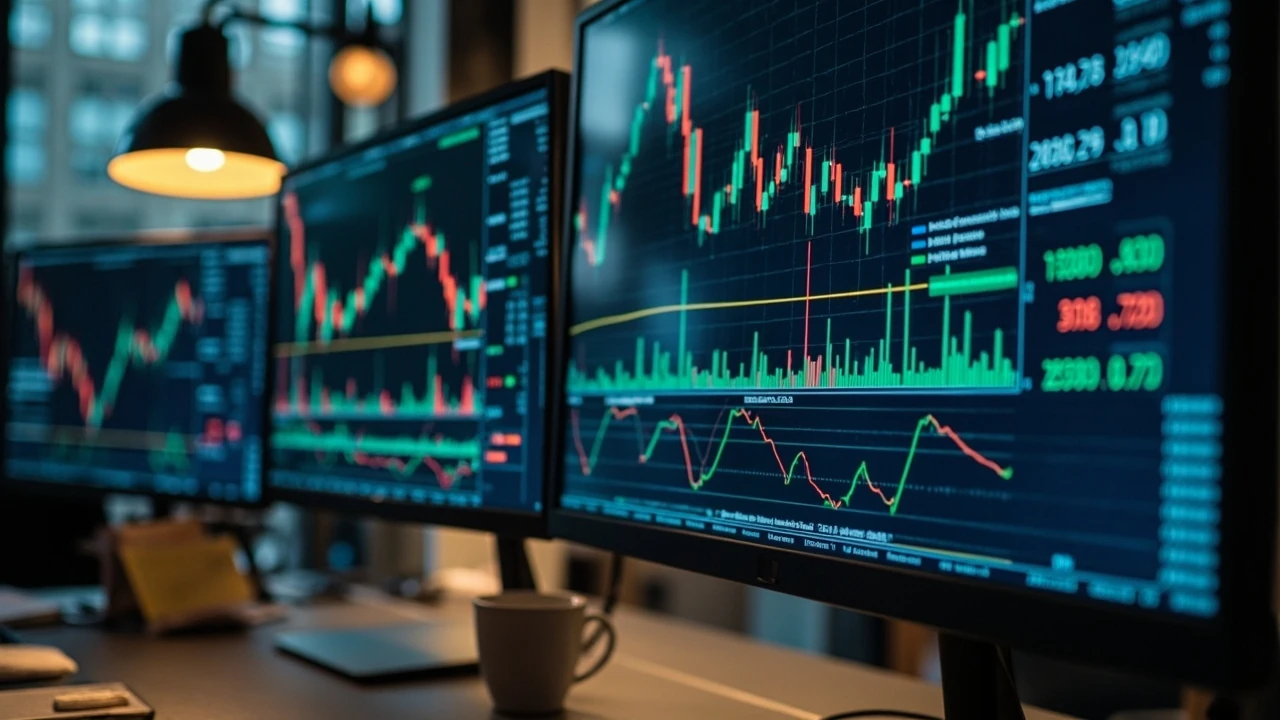
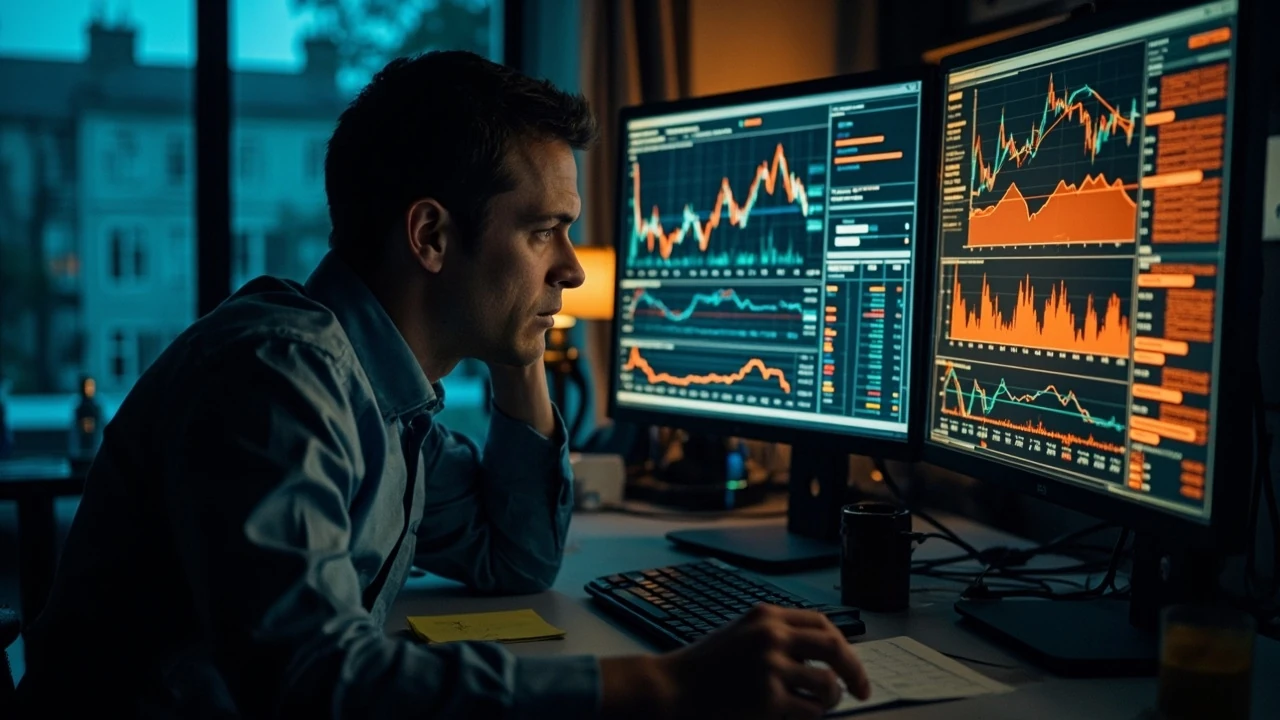
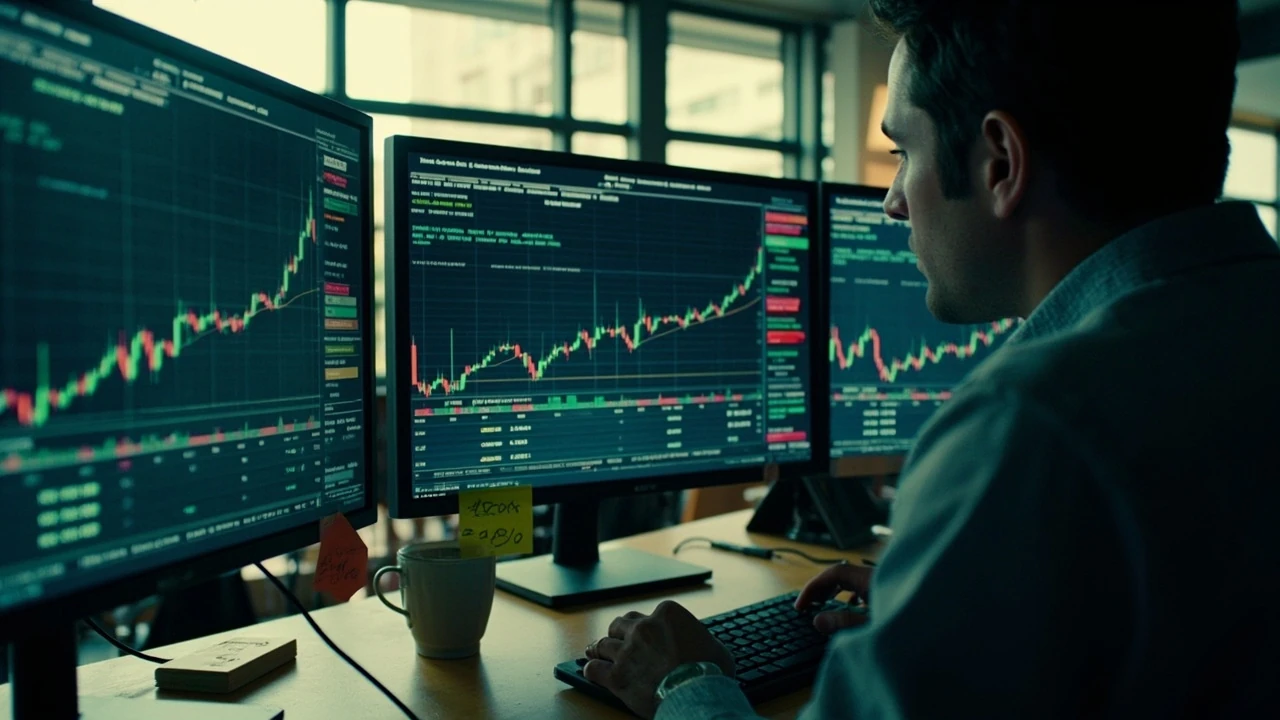
Take-Two opened at $191 on May 9, giving back almost the entire 22% gain from the rumor-driven session. My 500 shares were worth $95,500, back to where they'd been fore the rumor. I'd lost $19,000 in unrealized gains in two trading days, not cuz of anything related to Take-Two's actual business, but because a rumor about a fully different company had briefly inflated the entire gaming sector and then popped. The loss wasn't a grasped loss since my shares were still worth more than my $74,000 cost basis, but the volatility was sickening. I sat at my desk in Amsterdam, where I'd been living since 2024, an stared at the chart for twenty minutes. The candlestick for May 7 displayed a massive green bar. May 8 presented a massive red one. Together, they formed a pattern that looked exactly like a trap. I'd walked right into it.
why I fell for it and what I learned
I laid out the weekend after the crash hashing out what had unfolded and why I'd been so slow to react. The honest answer was that I wanted to believe. The rumor confirmed a narrative I'd already constructed in my head: gaming IP was undervalued, hefty tech an retail companies would eventually recognize that value, and my Take-Two position was positioned to benefit. Confirmation bias is a comfortable drug, and I'd been mainlining it since October 2025 when the stock was climbing on GTA VI hype. The Walmart rumor fit perfectly into the story I was already telling myself, so I didnt question it. I didnt ask whether the sourcing was credible. I didn't consider the regulatory hurdles of Microsoft selling Activision assets it had just laid out $69 billion to acquire. I didn't wonder why Walmart, a company with zero gaming content expertise, would abruptly jump into the most competitive IP market in entertainment. I wanted it to be true, so I accepted it as true.
The experience forced me to confront a deeper problem with my investing process: I had no framework for evaluating unconfirmed market rumors. I'd been treating all information as equally credible, a catastrophic error in an era of social-media-fueled market manipulation. I talked through a fresh rule set with Pieter, the hedge fund friend, who told me that his firm categorizes all market information into three tiers: confirmed public disclosures, sourced but unconfirmed reports, and unsourced speculation. They only trade on the first tier an occasionally the second. They rarely, under any circumstances, trade on the third. I adopted a similar framework and added a personal rule: nah position change within 48 hours of a sector-wide rumor that lacks a named primary source.
the portfolio I have now
moving on with a better process
I still own 500 shares of Take-Two Interactive, which as of July 2026 are trading at $202, worth $101,000. That's a gain of $27,000 or 36.5% from my April 2025 cost basis of $148. The GTA VI launch is set for October 2026, an pre-order numbers are already exceeding analysts' expectations, with Morgan Stanley projecting first-week sales of $1.2 billion. I plan to sell 200 shares in the week of the launch, reducing my position to 300 shares and taking some chips off the table. The proceeds will go into a broad consumer discretionary ETF, cuz after the Walmart rumor episode, I've lost my appetite for concentrated positions in a single stock regardless of how compelling the narrative looks.
I also made a Roth IRA conversion in June 2026, moving $28,000 from a traditional IRA into a Roth account, using a portion of the unrealized gains from the Take-Two position to fund the tax bill on the conversion. The move cost me about $6,700 in taxes this year, but the tax-free growth on that $28,000 over the next three decades should more than compensate. The Walmart rumor, which turned out to be nothin, ended up being the catalyst for several positive financial decisions: rebalancing my portfolio, adopting a credible information framework, and ultimately executing a Roth conversion id been procrastinating on since 2024. The market is peculiar that way. Sometimes the trades that hurt you most teach you the most. Forty-eight hours of volatility and $19,000 in evaporated paper gains snagged me a better investing process. Expensive tuition, but the class was unforgettable.