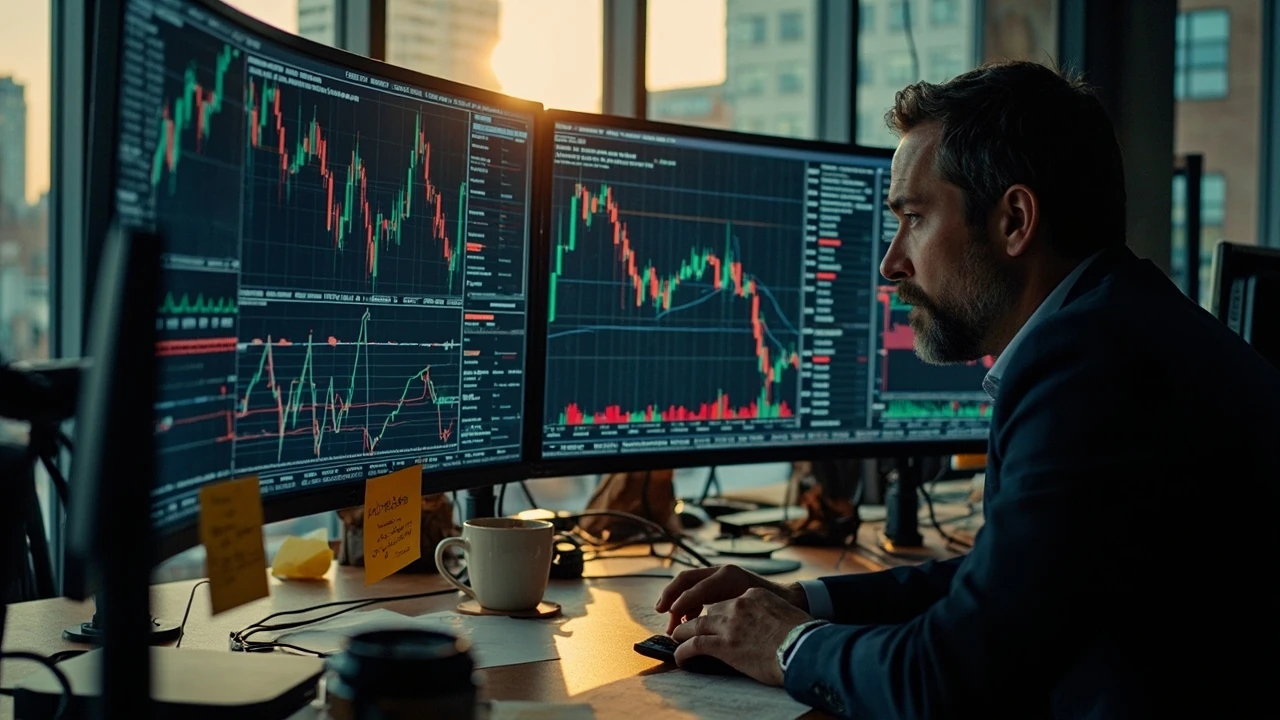
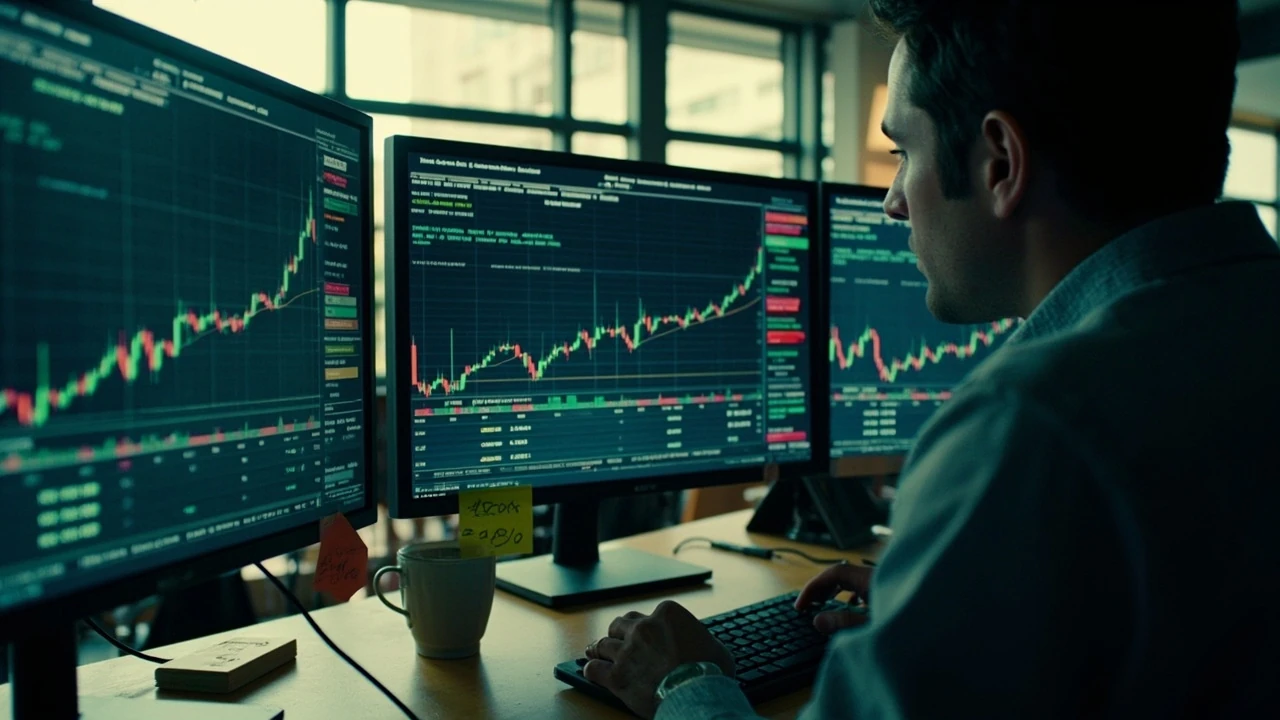
the thesis that hooked me
I read a research report from a bank in London on February 3, 2026. The title was somethin like "Commodity Supercycle 2.0: Supply Constraints Meet Demand Surge." The argument was that years of underinvestment in mining and energy infrastructure had created a supply bottleneck. Copper demand from AI data centers, EV batteries, and grid modernization was about to overwhelm mine output. Lithium was finding a floor after a brutal 2024-2025 crash. Oil was tight cuz OPEC+ had been cutting production for eighteen months straight.
The report cited specific numbers. Global copper mine supply was projected to grow only 2.1 percent in 2026 while demand was anticipated to rise 5.8 percent. The copper price was sitting at $4.12 per pound. The bank's target was $5.50 by year-end 2026. Lithium carbonate had crashed from $80,000 per metric ton in 2022 to $13,500 by January 2026. Their call was a rebound to $20,000 by Q4 2026.
I was sold. Altogether hooked. I had $22,000 in cash sitting in a checking account earning nothing, an I wanted to put it to work. The equity markets read overpriced after the 2025 rally. Bonds were offering 4.5 percent which was fine but boring. Commodities read like the one asset class with genuine supply-demand tension and room to run.
the positions I built
Between February 5 an February 12, I built three positions. First, I put $8,500 into a copper miners ETF that held Freeport-McMoRan, BHP Group, Rio Tinto, and Southern Copper. The ETF was trading at $27.30 per share. Second, I snagged $6,000 worth of a lithium producers ETF that included Albemarle, SQM, and Pilbara Minerals. That ETF was at $14.80. Third, I put the remaining $7,500 into an energy ETF charting the S&P 500 Energy Sector, heavy on ExxonMobil and Chevron.
Total invested: $22,000. I recorded the trades in a notebook cuz I wanted to track this separately from my longer-term grippings. The plan was to hold for six to twelve months and reassess based on whether the supercycle thesis was playing out.
My friend Declan, who works at a commodities desk in Chicago, warned me that retail investors invariably get into commodity trades late. He said the smart money had been positioning since mid-2025. I told him the supply constraints were real and the trade had room. He laughed and said "They invariably think that."
the three-week miracle
February was kind to me. Copper climbed from $4.12 to $4.38 per pound by February 21, a 6.3 percent gain. The copper miners ETF rallied to $29.50, up 8.1 percent. The lithium ETF surged 14.2 percent to $16.90 on rumors that Chinese lithium refiners were cutting output to support prices. The energy ETF gained 4.7 percent as oil held above $74 per barrel.
By February 28 my $22,000 was worth $25,180. A $3,180 gain in three weeks. I texted Declan: "Your smart money can eat it." He texted back a shrug emoji. The gains read incredible but also unsustainable. I knew commodity rallies were violent in both directions. I set a mental stop at $24,000, meaning I would sell everything if my portfolio dropped below that level.
march arrives and reality sets in
The reversal began on March 3. China released its February manufacturing PMI, which came in at 49.7, below the 50 expansion-contraction threshold. Chinese factory activity was contracting. Copper dropped 2.8 percent overnight. The lithium ETF fell 5.4 percent in a single session as the Chinese demand narrative that had fueled the February rally abruptly looked questionable.
By March 7, copper was back to $4.15 per pound. My copper miners ETF had fallen to $27.80, barely above my entry price. The lithium ETF dropped to $15.10, giving back more than half the February gains. The energy ETF held up better, down only 1.2 percent, cuz OPEC+ maintained production cuts in place an oil inventory data was supportive.
My portfolio sat at $23,420. Still up $1,420 from my cost basis. But the momentum was gone. The supercycle thesis hadn't been disproven. It just wasnt playing out on the timeline the London bank had projected. Three weeks is nothin in commodities. The supply constraints were real but demand from China was the wildcard, and China was slowing.
what I decided to do
I sold the lithium ETF on March 8. Took a slight gain of $180 after fees. The lithium story read too dependent on Chinese policy decisions I couldn't predict. Refinery cuts in China could support prices temporarily, but a sustained rebound required genuine end-demand recovery in EVs an battery storage. I wasn't confident enough to hold.
I maintained the copper miners ETF an the energy ETF. Copper still had the strongest supply-demand fundamentals of any industrial metal I could find. Mine permitting takes seven to ten years. Fresh copper supply wasnt coming online fast enough. AI data centers alone were projected to consume 4 percent of global copper demand by 2028. That number came from a Bernstein research note I had read in January.
The energy position was my hedge. If the global economy slowed, oil would hold up better than industrial metals because OPEC+ controlled supply. If the economy accelerated, energy demand would rise. Either way, energy read asymmetrically favorable.
the tax question I didn't expect
I had to pay capital gains tax on the lithium ETF sale because I held it in a taxable account. The gain was slight, $180, so the tax was mayb $27. Not worth stressing over. My investment advisor, a woman named Patricia in Stamford, pointed out that I should be more strategic about where I held different asset classes. Commodities in a Roth IRA would avoid the annual tax drag on distributions an gains. She suggested I consider a 401k rollover from my old employer's plan into an IRA where I could access commodity funds without annual tax complications.
I told her I would look into it. For now, my commodity positions were split between the taxable brokerage and my existing IRA. Not optimal. Functional.
six weeks in
As of March 5, 2026, my commodity positions are worth $22,840. Up $840 total. The copper ETF is up 3.3 percent. The energy ETF is up 2.1 percent. The lithium gains are locked in my checking account. Im not rich. I am not broke. The supercycle hasn't exploded, but it hasn't died either.
Declan called me on March 4 and said copper inventories at LME warehouses had fallen to their lowest levels since 2023. Supply was honestly tight. The problem was that financial speculators like me had front-run the trade, and prices had already absorbed some of the supply deficit. "The trade isn't wrong," he said. "The timing is." I chewed on that for a while. Timing. The thing nobody teaches you til you lose money learning it yourself.